Live Long and Prosper
Photographs from a collaborative series between Steve Danielson and Candace Couse

This month I am absolutely delighted to bring you photographs from a collaborative series between Steve Danielson and Candace Couse, alongside their artist statement. You can find their artist bios after the works.
Content notes: This work explores themes of disability, illness, and the lived experience of navigating identity and perception. The works depict moments of vulnerability, including references to the postictal state following seizures, and engage with the metaphorical and physical realities of embodiment. Some images may evoke feelings of disorientation, detachment, or alienation. The series also addresses the ways in which disability is often misread or projected onto by others, as well as the struggle for presence and understanding in a world that can be dismissive or indifferent.
Viewers are encouraged to engage with the work at their own pace and to seek support if needed.
Artist statement
Steve Danielson and Candace Couse began their collaboration in 2024, exploring the intersections of embodiment, perception, and disability. Danielson, intimately familiar with the trials of illness, navigated a life punctuated by medical interventions and, in later years, Gran Mal seizures that left him suspended in a state of numb detachment—adrift in a perpetual dreamscape. Born with Spina Bifida, his visible disability shaped the way others projected narratives onto him. He often spoke of how people constructed stories in their own minds, their gaze searching his eyes for signs of presence, asking, without words, whether anyone was “home.”
A lifelong Trekkie, Danielson found resonance in Spock, a character who, like him, straddled the liminal space between understanding and alienation. “Even if he can’t always be fully understood, under it all, there’s an intelligence,” he reflected. Live Long and Prosper, the collaborative series by Couse and Danielson, seeks to render visible the disembodied, dream-like state of the postictal phase—the blurred threshold between consciousness and absence following a seizure. Through a metaphorical shedding of Danielson’s skin, the works reimagine him as Spock, a figure whose struggle with identity and difference echoes his own.
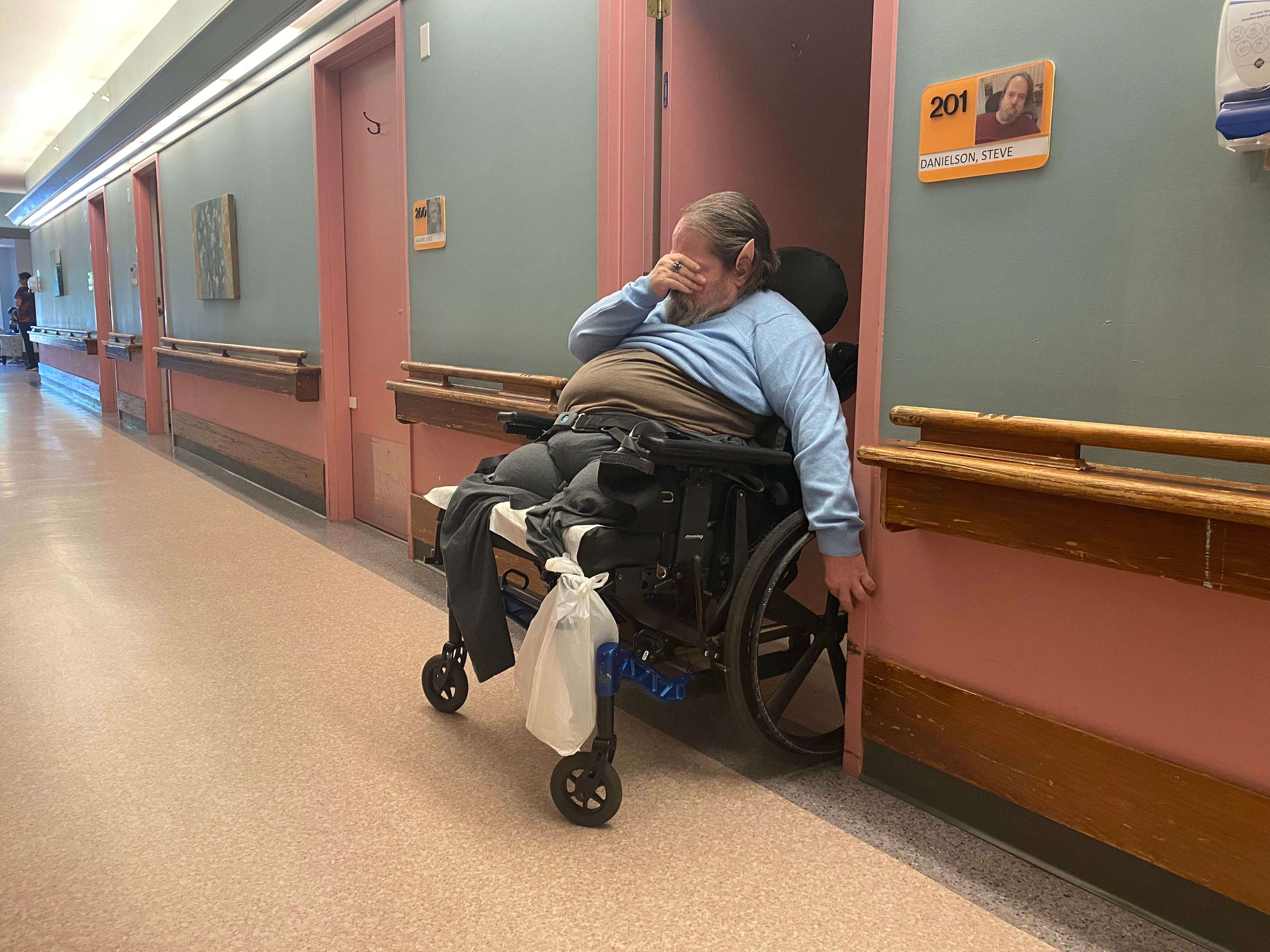
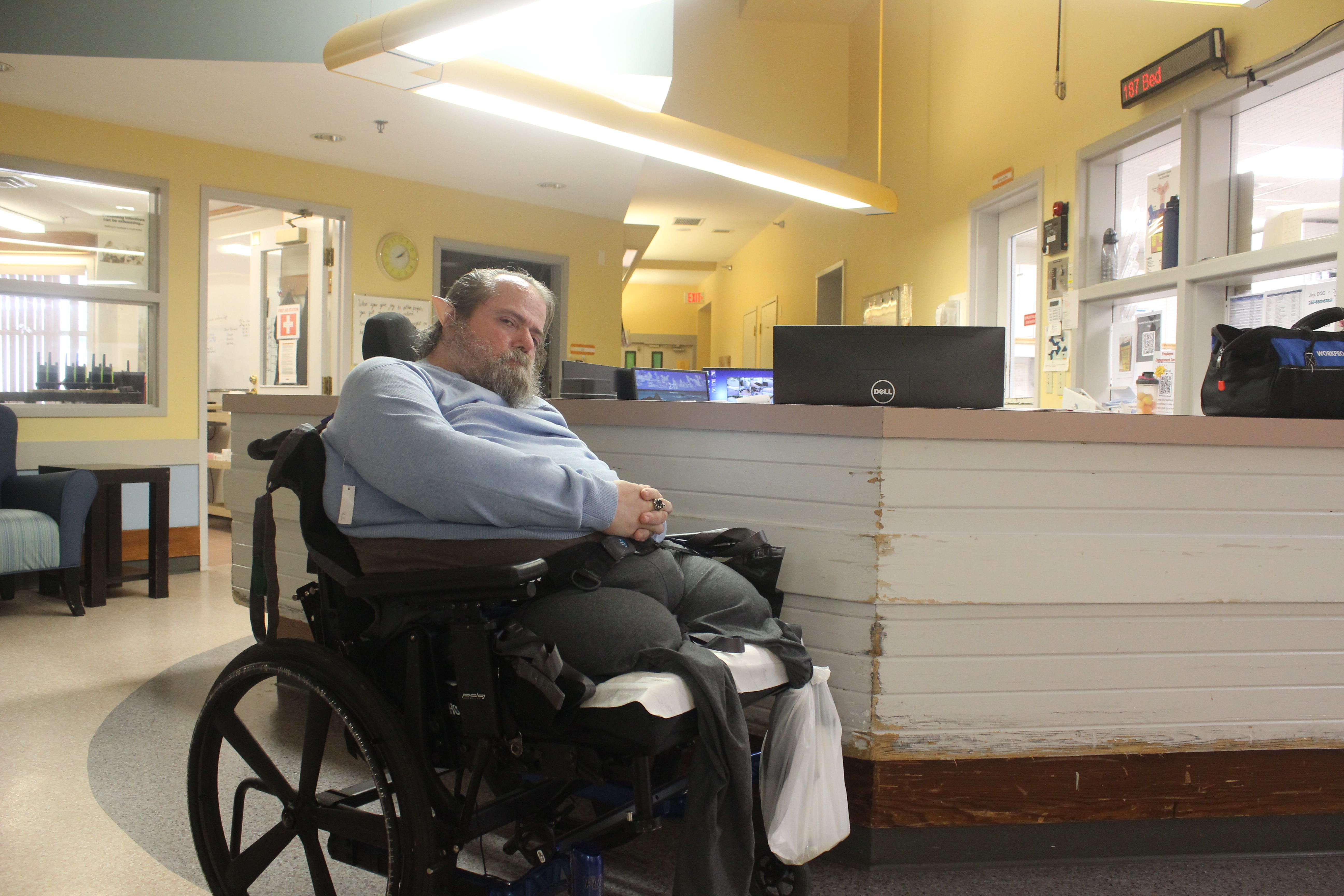
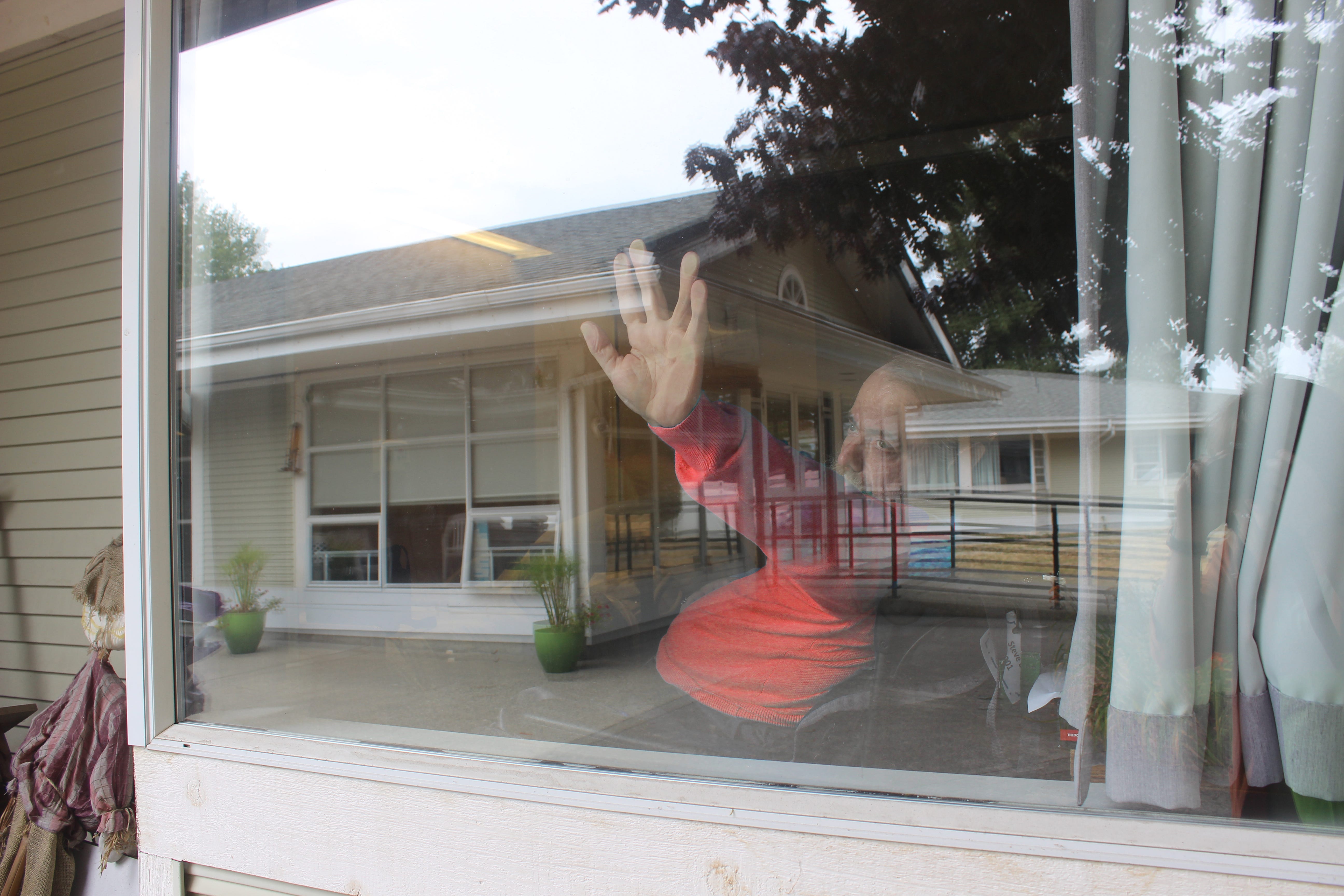
Drawing from The Naked Time, Star Trek: The Motion Picture (1979), and The Wrath of Khan, the series restages pivotal moments in which Spock contends with his own otherness. In these recreations, the artists collapse the boundaries between fiction and reality, using the language of science fiction to navigate the lived experience of disability—of being seen, misread, and ultimately, of asserting presence in a world that too often looks away.
Star Trek: The Naked Time
Star Trek: The Motion Picture
The Death at the End of Wrath of Khan
Steve Danielson (he/him) was a lifelong Trekkie and recent artist whose work reflected his lived experiences with disability and identity. Born with Spina Bifida, he faced numerous medical challenges throughout his life. Through his art, Steve sought to challenge perceptions, assert presence, and inspire empathy, believing that “if I can change one person’s mind on the planet, then it’s been for a reason.” Steve passed away recently, leaving behind a legacy of creativity, resilience, and a powerful call for greater understanding.
Candace Couse (she/her) is an interdisciplinary artist, scholar, and Associate Professor in Visual Arts at the University of the Fraser Valley, living on unceded Stó:l ō territory. Her work explores themes of embodiment, illness, and the human experience, often through collaborative and interdisciplinary approaches. Couse investigates how illness narratives challenge universal notions of health and the body, aiming to foster empathy and humanistic understanding. Couse is deeply committed to community engagement, intergenerational learning, and creating spaces for dialogue through art.
Here is Candace Couse’s website and here’s a link to her Instagram.
the remote body substack has support from Arts Council England.